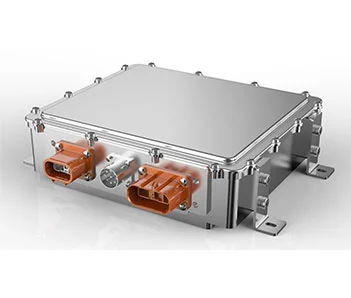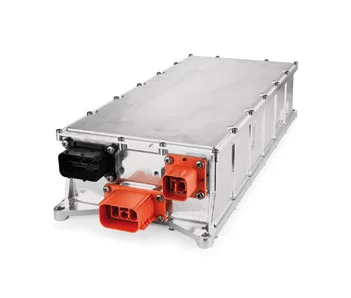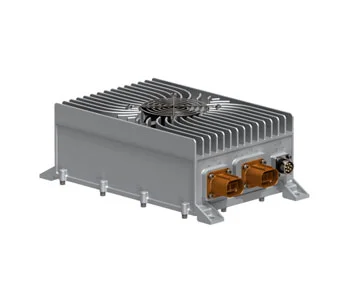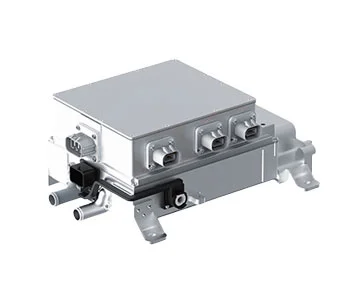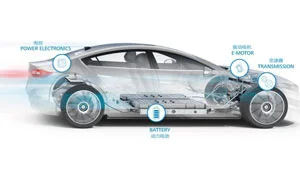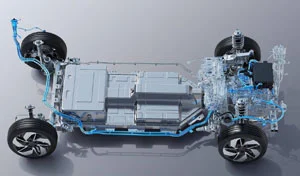
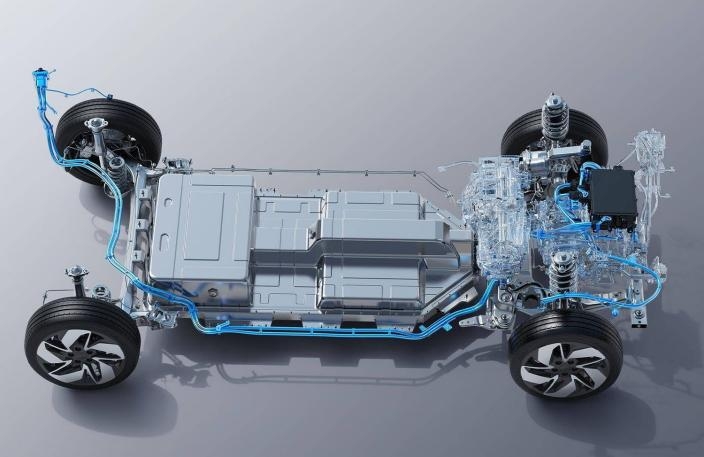
The transition to electric mobility is defined by the "Three Core Electric Systems" – the fundamental trio that replaces the engine and transmission of traditional cars. For anyone involved in the EV industry, a deep understanding of the Power Battery, Drive Motor, and Electronic Control system is essential. At EMP, as a specialist in electric drive unit solutions, we don't just understand these systems; we engineer and integrate their key components. This guide explores these critical electric vehicle subsystems and their interconnected roles in powering the future of transport.
The power battery is the energy source for driving the motor, and ternary lithium and lithium iron phosphate batteries are commonly used in electric vehicles. Among them, the advantages of lithium iron phosphate battery are low cost, good stability and long durability.
EMP's Role in the High-Voltage Power Network
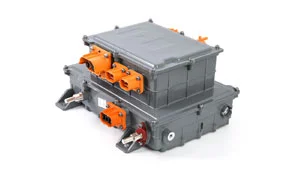
While EMP does not manufacture the power battery itself, our expertise is critical in managing and utilizing its energy. Our Power Distribution Unit (PDU) acts as the intelligent heart of the high-voltage system, safely distributing power from the battery to other critical components like the drive motor and DC/DC converter. Additionally, our automotive DC/DC converter ensures that the battery's high-voltage DC power is efficiently converted to low-voltage DC to run all vehicle electronics, maintaining perfect energy balance.
The motor is the power source of new energy, and different forms of motors have different characteristics.
1. DC drive motor, its electrons are permanent magnets, the rotor is powered by DC, and the current-carrying conductor will be subjected to Abe force in the magnetic field, so that the rotor will rotate. The advantage of this motor form is lower cost and lower requirements on the electronic control system.
2. The permanent magnet synchronous motor has the same working principle as the DC motor. The difference is that the DC motor is fed with a square wave current, while the permanent magnet synchronous motor is a sine wave current. Its advantages are high power performance, excellent reliability, and relatively small body.
3. Induction motor, because the movement of charges in the magnetic field will generate Loren magnetic force, which will make the rotor rotate, because the magnetic field in the electron rotates first and then the rotor will rotate, so it is also called asynchronous motor. Its advantages are low manufacturing cost and good power performance.
The Electronic Control System is the central nervous system of an electric vehicle, comprising multiple controllers that communicate seamlessly. The two most critical are:
Vehicle Control Unit (VCU): The supreme commander, making decisions for acceleration, regeneration braking, and energy management based on driver input and sensor data.
Motor Control Unit (MCU): The specialized executor that precisely drives the motor based on commands from the VCU.
EMP's Integrated Electronic Control Expertise
EMP excels at the integration and development of these control systems. Our Conversion & Distribution Unit (CDU Combo Unit) is a prime example of this integration, combining the OBC, DC/DC, and PDU functions into a single, smart module that simplifies the vehicle's electronic architecture. Furthermore, our expertise in developing VCU and MCU software ensures that all electric vehicle subsystems work in perfect harmony for optimal performance, safety, and range.
 English
 中文
中文 日本語
日本語 français
 Deutsch
 Español
 italiano
 русский
 português
 čeština
 slovenčina